🧠 The State of Open‑Source Coding Agents in 2026
A High‑Level Comparison of the Most Important FOSS Autonomous Developer Frameworks
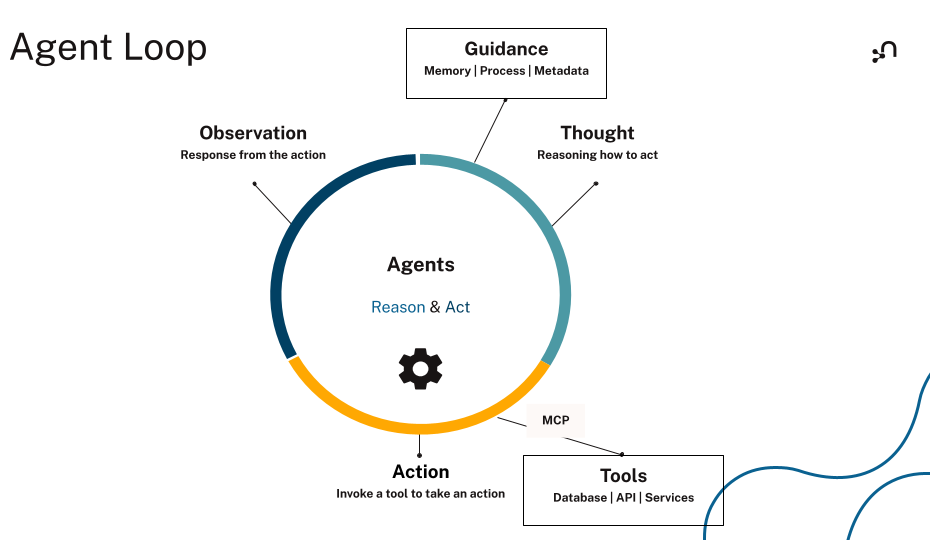
Autonomous coding agents have rapidly evolved from research experiments into practical tools that can plan tasks, write code, run shells, debug errors, and iterate toward working solutions. While proprietary systems like Devin and GitHub Copilot Workspace get most of the headlines, the open‑source ecosystem has quietly exploded with powerful, flexible, and highly hackable alternatives.
This post compares the top free and open‑source coding agents available today, focusing on their design philosophies, strengths, limitations, and ideal use cases.
🏆 Agents Covered in This Comparison
- OpenDevin — full autonomy, shell‑capable, closest to Devin
- OpenInterpreter — natural‑language coding + local execution
- SmolAgents — lightweight, modular, hackable
- LangChain Agents — enterprise‑grade, tool‑rich, production‑ready
- AutoGPT / AgentGPT / CamelAGI — experimental, multi‑step autonomous agents
Each takes a different approach to autonomy, safety, and developer experience.
🧩 1. OpenDevin
The Most Capable Fully Autonomous FOSS Coding Agent
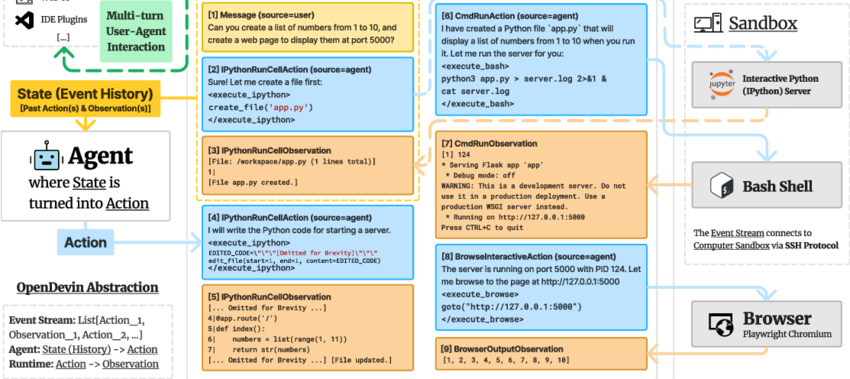
OpenDevin aims to replicate the workflow of a real software engineer. It can:
- plan multi‑step tasks
- write and modify files
- run shell commands
- debug errors
- iterate until completion
Strengths
- True multi‑step autonomy
- Real shell + filesystem access
- Model‑agnostic (local + cloud)
- Strong community momentum
Weaknesses
- Heavy resource usage
- Requires sandboxing
- Still maturing in reliability
Best For
- Complex tasks
- Bug fixing
- Refactoring
- DevOps workflows
🧩 2. OpenInterpreter
Natural‑Language Coding With Real Execution
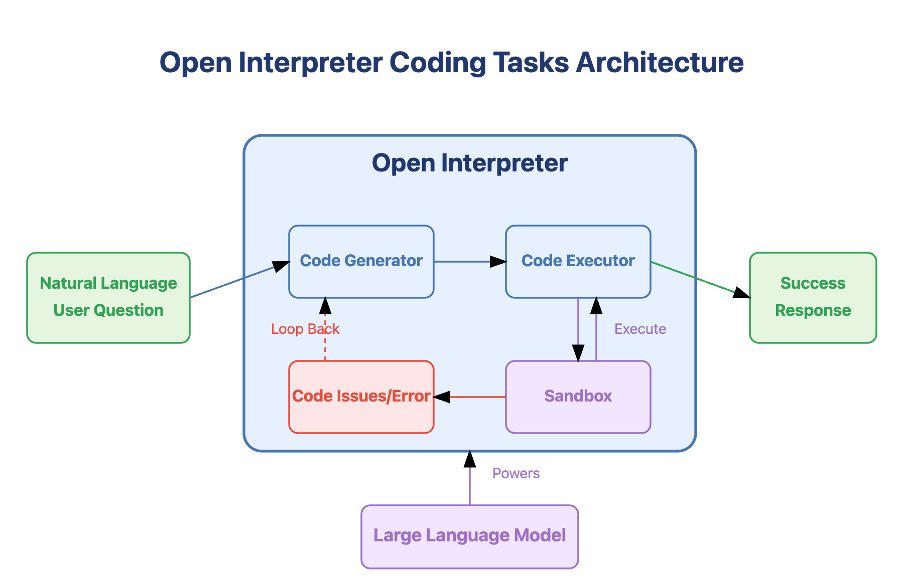
OpenInterpreter acts like a conversational coding partner that can run Python, Bash, Node, and more. It’s less “autonomous engineer” and more “super‑powered REPL assistant.”
Strengths
- Extremely easy to use
- Great for scripting, data tasks, automation
- Strong local‑model support
- Highly interactive
Weaknesses
- Not a full autonomous agent
- Limited long‑horizon planning
- Requires careful sandboxing
Best For
- Data analysis
- Quick scripts
- Automation tasks
- Teaching and experimentation
🧩 3. SmolAgents
Lightweight, Fast, and Perfect for Custom Agent Design
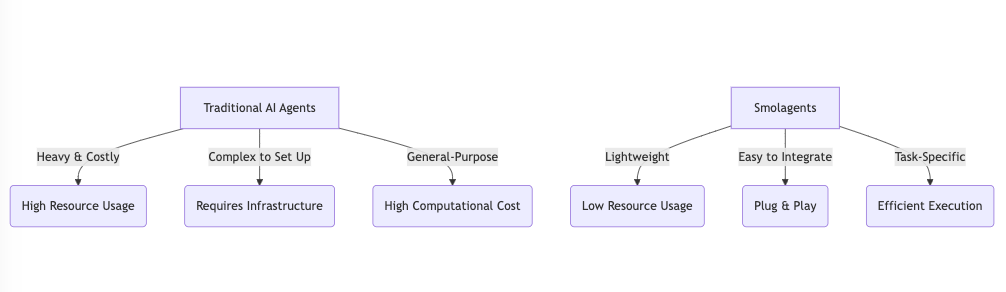
SmolAgents is a minimalistic agent framework from HuggingFace. It’s intentionally tiny, making it ideal for developers who want to build their own agent logic.
Strengths
- Very small codebase
- Easy to extend
- Works with any model
- Great for research and custom tooling
Weaknesses
- No batteries included
- Requires more engineering effort
- Not ideal for beginners
Best For
- Custom agent architectures
- Research
- Tool‑driven workflows
- Lightweight automation
🧩 4. LangChain Agents
Mature, Modular, and Enterprise‑Ready
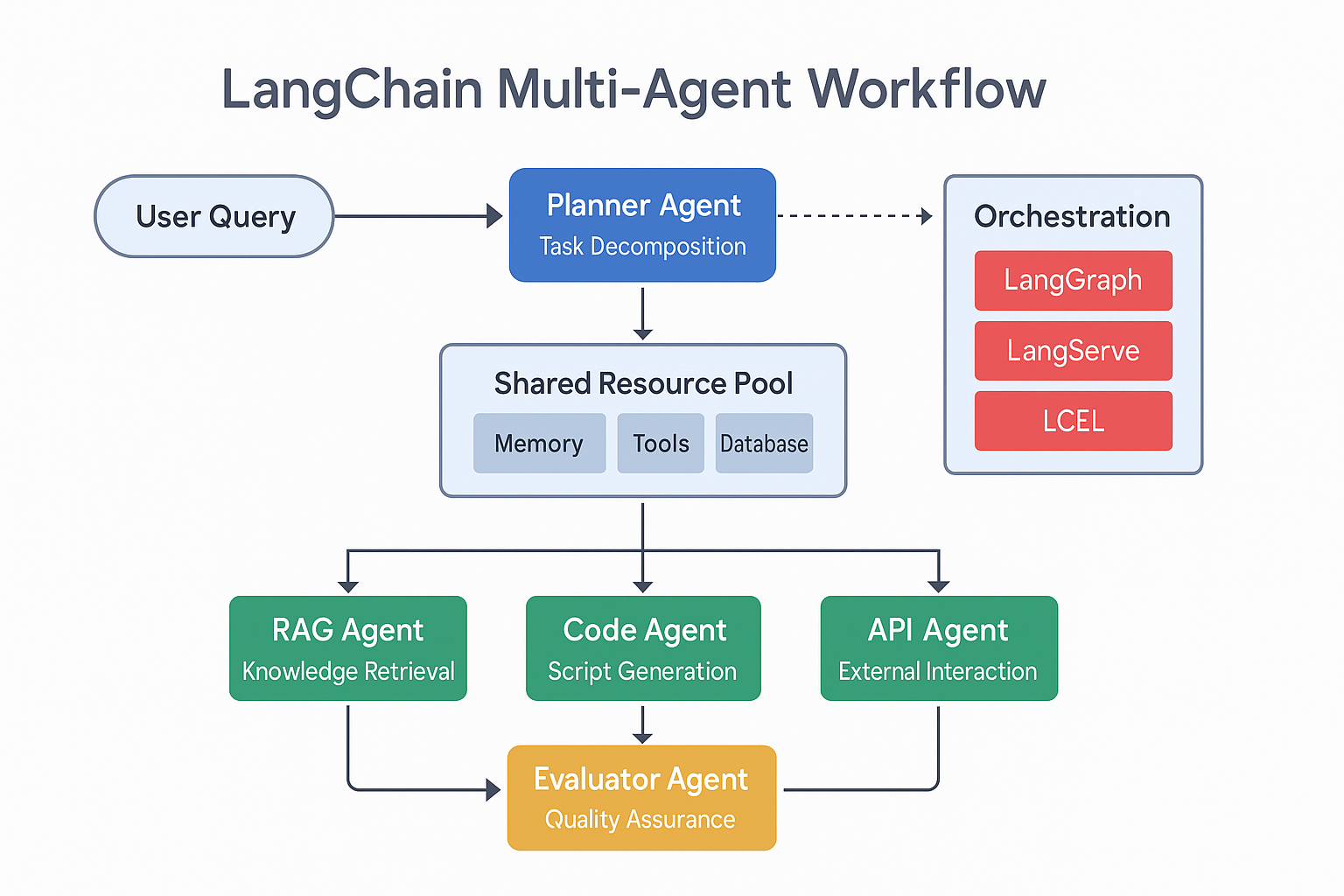
LangChain remains the most feature‑rich agent framework, with a massive ecosystem of tools, memory systems, retrievers, and integrations.
Strengths
- Huge ecosystem
- Production‑grade patterns
- LCEL for deterministic flows
- Excellent tool integration
Weaknesses
- Can be overly complex
- Heavy dependency graph
- Not optimized for full autonomy
Best For
- Enterprise workflows
- Retrieval‑augmented coding
- Tool‑rich pipelines
- Deterministic agent flows
🧩 5. AutoGPT / AgentGPT / CamelAGI
Experimental Multi‑Step Autonomous Agents
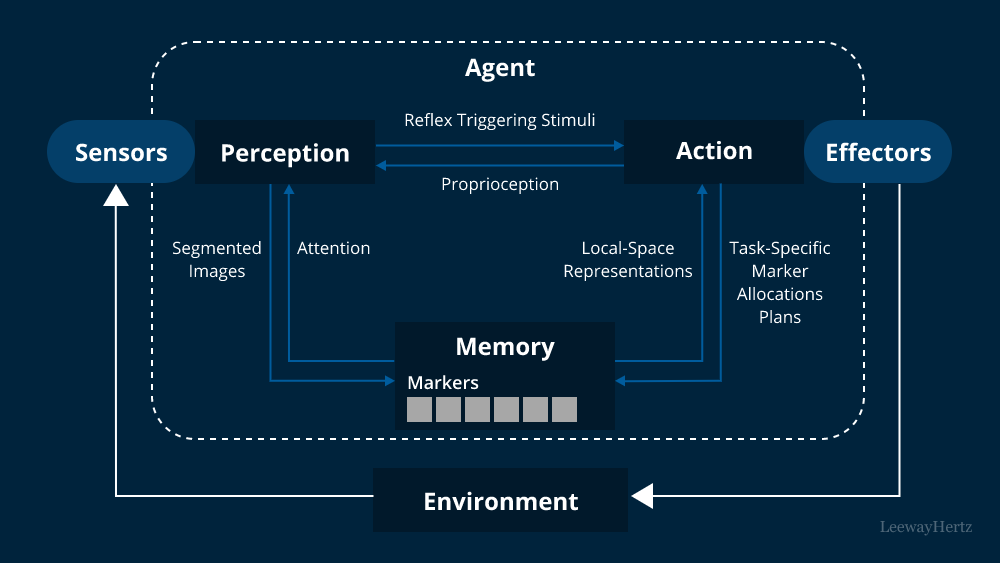
These projects kicked off the agent craze in 2023–2024. They remain fun, experimental sandboxes for autonomous behavior.
Strengths
- Easy to run
- Great for demos
- Large community
Weaknesses
- Unreliable
- Poor long‑horizon planning
- Not suitable for production
Best For
- Experimentation
- Hobby projects
- Research into agent behavior
🔍 High‑Level Comparison Table

| Agent | Autonomy | Tooling | Ease of Use | Best Use Case |
|---|---|---|---|---|
| OpenDevin | ⭐⭐⭐⭐⭐ | Shell, FS, Python | Medium | Full coding autonomy |
| OpenInterpreter | ⭐⭐⭐ | Python/Bash REPL | Easy | Scripting & automation |
| SmolAgents | ⭐⭐ | Custom tools | Medium | Custom agent design |
| LangChain Agents | ⭐⭐⭐ | Massive ecosystem | Hard | Enterprise workflows |
| AutoGPT | ⭐⭐ | Basic tools | Easy | Experiments & demos |
⚙️ Best Practices for Running Any Coding Agent

1. Always Use a Sandbox
Agents will:
- delete files
- install packages
- overwrite configs
Use Docker, Podman, or Firejail.
2. Use a Two‑Model Strategy
- Local model → fast autonomous loops
- Cloud model → final refinement
This dramatically improves reliability and cost.
3. Give Agents Tools — Not Unlimited Freedom
Explicit tools = predictable behavior.
4. Use Structured Prompts
Agents thrive on constraints, goals, and success criteria.
5. Add Logging + Replay
You want:
- command logs
- file diffs
- reasoning traces
This is essential for debugging agent behavior.
🧠 Final Thoughts
Open‑source coding agents have reached a point where they’re genuinely useful for real development work — especially when paired with strong sandboxing, structured prompts, and a two‑model strategy.
Each agent fills a different niche:
- OpenDevin → full autonomy
- OpenInterpreter → interactive coding
- SmolAgents → custom agent design
- LangChain Agents → enterprise workflows
- AutoGPT → experimentation
If you want a single recommendation:
Start with OpenDevin for autonomy and OpenInterpreter for everyday coding.
Images referenced in this post should be placed in:
/assets/images/
or whatever directory your GitHub Pages theme uses.